The Science of Aging in Cats
Understanding how cats age — biologically, not just chronologically — is the foundation of true longevity medicine.
THE Science of aging in cats
Aging is not a single process. It is the accumulation of small biological changes that slowly erode resilience.
In cats, these changes are especially dangerous because symptoms appear late — long after decline has begun.
Longevity medicine exists to identify and intervene in these processes early.
THE BIOLOGY OF aging in cats
Inflammation
Chronic, low-grade inflammation accelerates organ damage, cognitive decline, and immune dysfunction.Chronic, low-grade inflammation accelerates organ damage, cognitive decline, and immune dysfunction.
Metabolic Aging
As cats age, insulin sensitivity declines, muscle mass decreases, and fat becomes metabolically active — increasing disease risk.
Immune Aging
Older cats lose immune precision. They become more vulnerable to infection, cancer, and chronic inflammation.
Mitochondrial Decline
Cellular energy production weakens, reducing organ resilience and healing capacity.
Fibrosis
Gradual scarring of organs like the heart and kidneys limits function long before failure is diagnosed.
Hormonal Drift
Thyroid, adrenal, and metabolic hormones shift subtly for years before disease thresholds are crossed.
WHY CATS ARE DIFFERENT
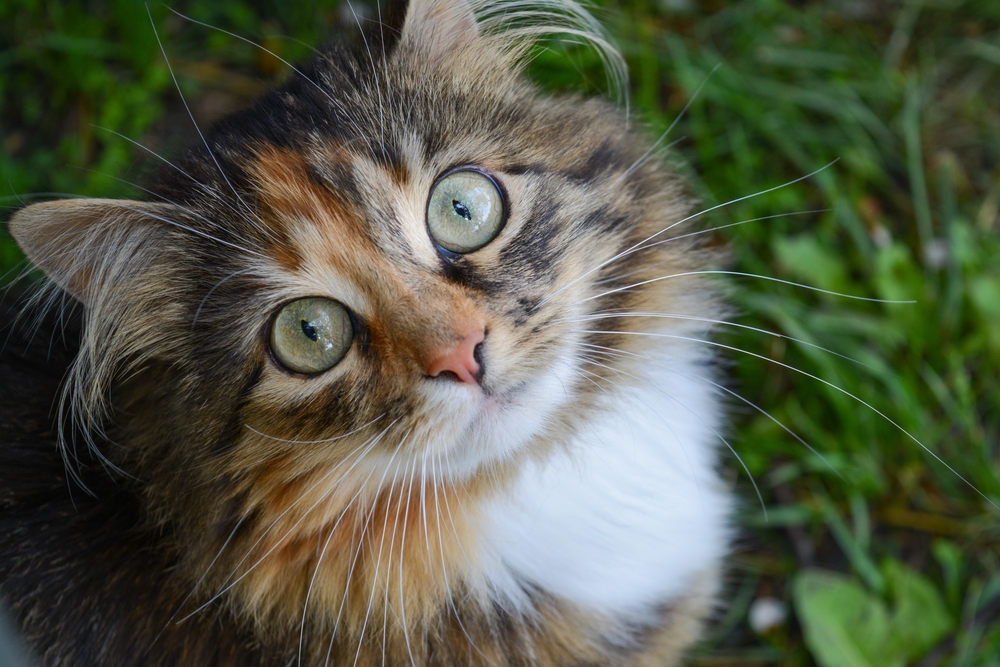
Cats are evolutionarily programmed to hide weakness. By the time outward symptoms appear, disease is often advanced.
This makes feline longevity medicine not optional — but essential.